
E.C.O. Builders Inc. Discusses How Residential Construction Planning Can Address Long-Term Home Maintenance Needs
RDListed by Rhino Digital, LLC
- Type
- Press release
- Words
- 936
- Read
- 4 min
- Listed
- Nov 13 2026
Construction planning should consider more than how a home will look when the project is finished”
— Elwin Ordoyne
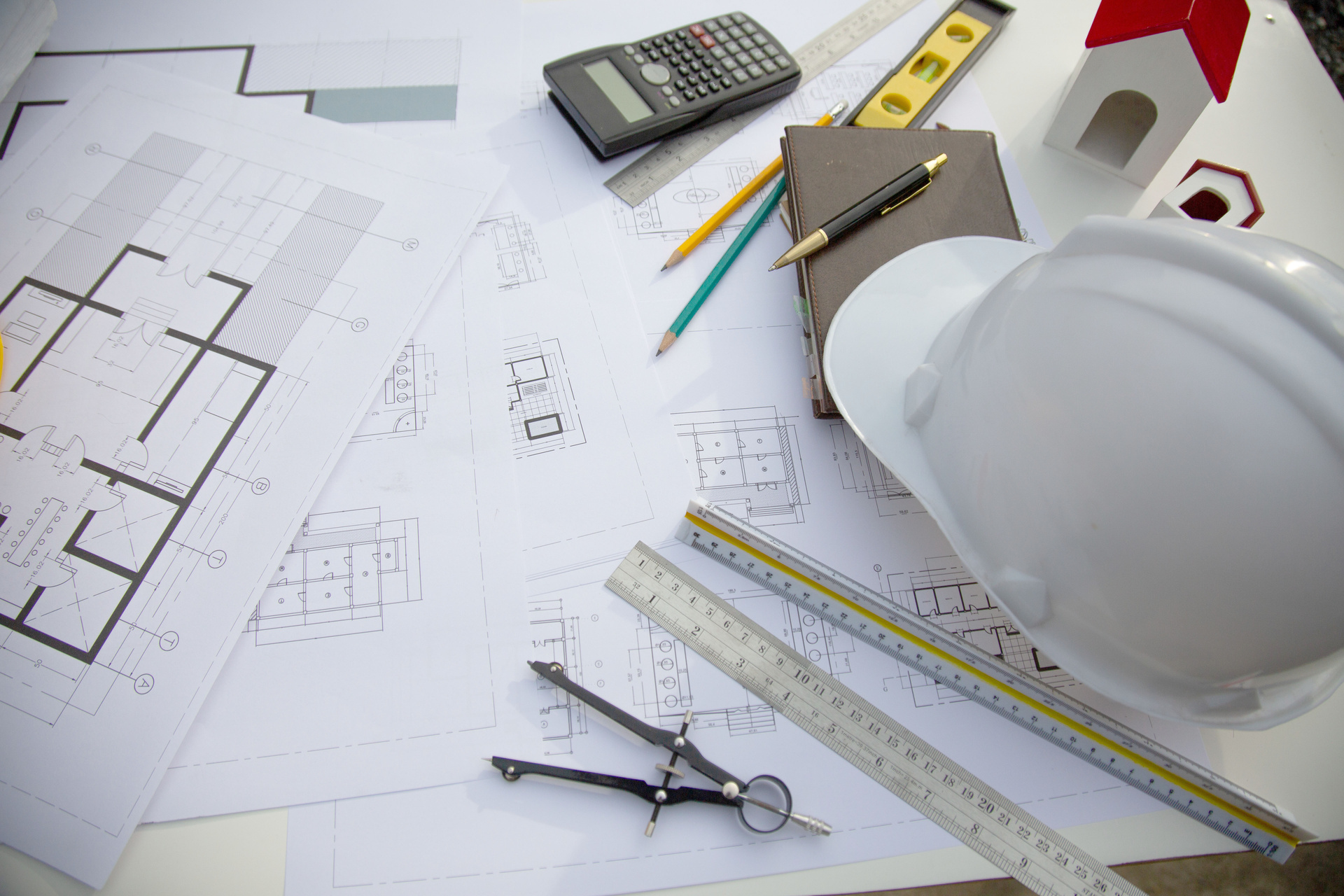
SLIDELL, LA, UNITED STATES, November 12, 2026 /EINPresswire.com/ -- Residential construction planning involves numerous decisions that influence how a home will function long after construction is complete. While floor plans, building materials, and architectural features often receive significant attention during the design process, future maintenance requirements represent another important consideration.
E.C.O. Builders Inc., a residential construction company in Slidell, Louisiana, is examining how construction planning can account for routine maintenance, equipment accessibility, moisture management, and the long-term condition of building components.
A home's maintenance requirements are influenced by its design, the materials used during construction, local environmental conditions, and the accessibility of essential systems.
Considering these factors during planning can help homeowners understand the responsibilities associated with maintaining the completed structure.
Planning for Access to Building Systems
Residential buildings contain numerous systems that require periodic inspection, maintenance, or replacement.
Heating and cooling equipment, plumbing connections, electrical components, and ventilation systems must remain accessible for appropriate service.
Equipment placement can influence how easily technicians perform routine work.
For example, heating and cooling equipment installed in an attic may require designated access openings, adequate working space, and safe pathways consistent with applicable codes and manufacturer requirements.
Similarly, plumbing shutoff valves and electrical panels must be positioned where authorized individuals can access them when necessary.
"Construction planning should consider more than how a home will look when the project is finished," said Elwin Ordoyne, Vice President of E.C.O. Builders Inc. in Slidell, Louisiana. "The placement of equipment, selection of materials, and accessibility of important components can influence how the home is maintained for years afterward."
Considering Louisiana's Environmental Conditions
Homes in southeastern Louisiana experience environmental conditions that can affect maintenance requirements.
Humidity, frequent rainfall, severe thunderstorms, and occasional tropical weather systems create considerations for roofing, drainage, exterior finishes, and moisture protection.
Construction planning may address these conditions through appropriate roof assemblies, exterior water-management systems, and site grading.
Proper drainage helps direct surface water away from foundations and other vulnerable areas.
Roof design also influences how rainwater moves across the structure and enters gutters or other drainage components.
Material selection should account for expected exposure conditions and the requirements of applicable building codes.
Roofing Design and Maintenance Access
Roofing systems require periodic observation and maintenance throughout their service lives.
Roof shape, slope, drainage paths, and the number of penetrations can influence inspection and repair requirements.
Complex rooflines may contain additional valleys, transitions, and intersections where water-management details require careful construction.
Designers and builders can evaluate these features during planning to determine appropriate flashing, underlayment, and drainage arrangements.
Attic access and ventilation requirements may also influence how roofing components are inspected.
No roof configuration eliminates maintenance, but appropriate planning can reduce unnecessary complications associated with access and water management.
Selecting Materials With Maintenance in Mind
Building materials differ in durability, cleaning requirements, exposure limitations, and maintenance intervals.
Exterior siding, trim, roofing, flooring, and other components should be evaluated according to their intended applications.
Some exterior materials require periodic painting or sealing, while others have different cleaning and inspection requirements.
Manufacturer instructions can provide information about appropriate installation methods and ongoing care.
Material selection should also consider compatibility with adjacent components.
For example, certain metals can experience accelerated corrosion when exposed to incompatible materials or particular environmental conditions.
Designing Around Future Repairs
Construction plans can also account for the possibility that components may eventually need replacement.
Mechanical equipment has a finite service life, and plumbing fixtures, appliances, and other systems may require updates.
Restricted access can complicate future repairs.
Providing appropriate service clearances and considering replacement pathways can help reduce the need to disturb surrounding construction.
Design coordination is especially important where mechanical, electrical, and plumbing systems share limited spaces.
Documentation and Long-Term Maintenance
Construction documentation can provide useful information after a home is occupied.
Plans, product specifications, equipment manuals, and warranty records help homeowners identify installed components and understand maintenance recommendations.
Photographs taken before walls are enclosed may also provide a record of concealed plumbing, wiring, and other systems.
Such documentation does not replace professional inspection, but it can assist qualified contractors during future work.
Maintenance Considerations Beyond Completion
A completed home remains subject to changing conditions, normal wear, and equipment aging.
Periodic inspections can identify issues involving roofing, drainage, exterior sealants, and mechanical systems before they develop into more extensive problems.
Maintenance schedules should reflect manufacturer recommendations, environmental exposure, and the home's particular construction characteristics.
For Louisiana homeowners, storm-related inspections may also be appropriate following significant weather events.
Construction planning cannot predict every future repair, but it can establish conditions that make routine maintenance and eventual replacement more manageable.
By considering accessibility, material performance, environmental exposure, and documentation during design, residential construction plans can address both immediate building requirements and the ongoing responsibilities of homeownership.
Morgan Thomas
Rhino Digital, LLC
+1 504-875-5036
email us here
Visit us on social media:
Facebook
Legal Disclaimer:
EIN Presswire provides this news content "as is" without warranty of any kind. We do not accept any responsibility or liability for the accuracy, content, images, videos, licenses, completeness, legality, or reliability of the information contained in this article. If you have any complaints or copyright issues related to this article, kindly contact the author above.
